Florida Gulf Coast draws golfers from across the country year-round, thanks to its combination of flat, well-maintained fairways, warm winters, and coastal accessibility. From the Panhandle near Eglin Air Force Base to Fort Myers Beach and the Tampa Bay area, the region spans a wide geographic corridor where golf infrastructure is woven into the local tourism fabric. Whether you're planning a week-long golf retreat or adding a few rounds to a broader Florida itinerary, understanding where to stay relative to courses, airports, and amenities makes a measurable difference in your trip.
What It's Like Staying in Florida Gulf Coast
Florida Gulf Coast is not a single destination - it's a 400-mile corridor stretching from Pensacola and the Panhandle down through Tampa Bay to Naples, each segment with its own pace, crowd profile, and golf density. The Panhandle cities move slower, with low traffic and easy parking, while the Tampa-Holiday corridor sees heavier commuter flow and more urban infrastructure. Crowds peak between December and April when northern visitors migrate south, pushing hotel rates up and tee times filling days in advance.
Golfers with a car benefit most here - most courses sit 10 to 30 minutes from Gulf Coast hotels, and public transport between golf destinations is essentially non-existent. Families combining beach time with golf do well along the Fort Myers and Tarpon Springs stretches, while solo travelers or military personnel near Niceville and Crestview find quieter, more functional base options.
Pros:
- Year-round playable golf weather with mild winters averaging around 65°F
- Wide spread of public, resort, and semi-private courses across all budget levels
- Coastal access and nature attractions fill non-golf days without driving far
Cons:
- Car rental is essentially mandatory - no meaningful transit between golf zones
- Peak season (Jan-Mar) inflates both hotel rates and tee time availability significantly
- The corridor is long - poor hotel positioning can mean 45+ minutes to your target course
Why Choose Golf Hotels in Florida Gulf Coast
Golf-friendly hotels in this region typically offer more than just proximity to fairways - they include practical perks like early breakfast service for 7 a.m. tee times, secure equipment storage, free parking for vehicles with club bags, and on-site fitness centers for post-round recovery. Compared to generic coastal resorts, golf-oriented hotels along the Gulf Coast often sit slightly inland, which translates into lower nightly rates - sometimes around 30% less than beachfront equivalents - while still offering fast access to both courses and the water. Room configurations trend toward suites with kitchenettes, useful for multi-night stays where self-catering reduces daily costs.
The trade-off is atmosphere: these hotels prioritize function over luxury aesthetics, meaning pools replace spas, and breakfast buffets replace fine dining. For golfers focused on maximizing rounds per trip, this is a worthwhile exchange. Business travelers using the same hotels benefit from the same formula - free parking, reliable Wi-Fi, and efficient check-in processes.
Pros:
- Free parking universally available - critical for traveling with clubs
- Early breakfast options align with morning tee time schedules
- Suite-style rooms with kitchenettes reduce overall trip costs on longer stays
Cons:
- Most properties lack on-site golf simulators or dedicated club cleaning stations
- Inland positioning means a 15-30 minute drive to Gulf beach access
- Pool areas can be crowded during winter snowbird season, limiting recovery-day relaxation
Practical Booking & Area Strategy
Positioning matters enormously along the Gulf Coast. Golfers targeting Panhandle courses near Destin or Fort Walton Beach should base themselves in Niceville or Crestview - both offer fast highway access to Emerald Coast courses and Northwest Florida Regional Airport (VPS), which handles most regional flight traffic. For Tampa Bay-area golf, Lutz and Holiday sit on the northern edge of the metro with Highway 19 and the Suncoast Parkway connecting quickly to courses like Saddlebrook without the congestion of downtown Tampa. Fort Myers Beach is the anchor for Southwest Gulf Coast golf, placing guests within reach of both Lee County's public courses and the upscale options near Naples.
DeFuniak Springs and Tallahassee work as strategic overnight stops for golfers driving between Florida's east and west coasts, or those combining golf with visits to state parks like Ponce de Leon Springs or Apalachicola National Forest. Apalachicola itself is a quieter, off-the-beaten-path base - suitable for golfers who want low crowds and a historic downtown between rounds. Book at least 6 weeks ahead for January through March stays, especially in Fort Myers and the Destin corridor, where golf packages and snowbird demand converge. Wildwood, near The Villages, suits golfers specifically targeting the massive retirement community's golf infrastructure, with over 50 executive and championship courses within a short drive.
Best Value Golf Hotel Stays
These properties deliver reliable golf-trip functionality - early breakfast, free parking, outdoor pools, and well-positioned highway access - at rates that keep your budget available for greens fees and equipment.
-
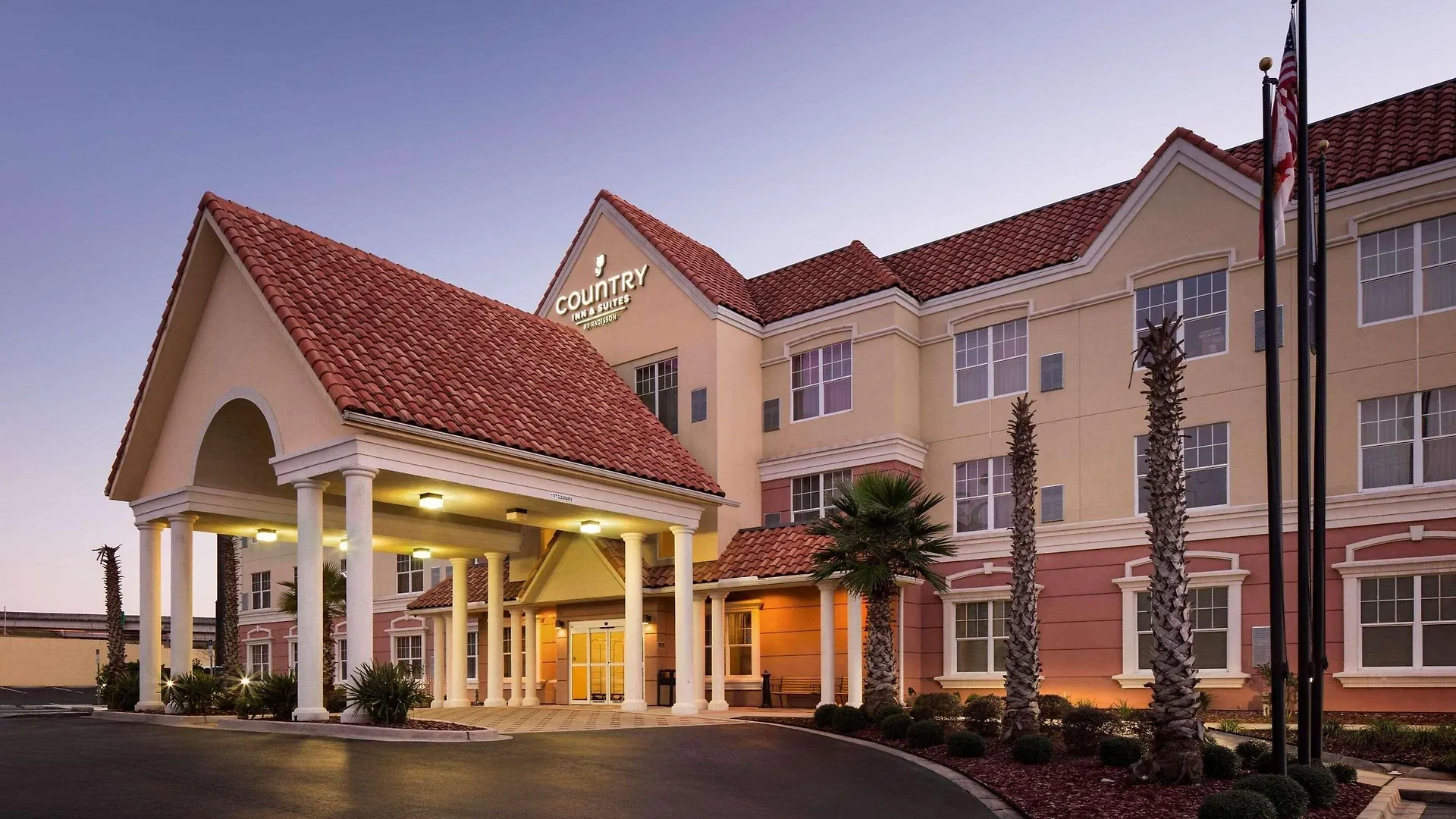
1. Country Inn & Suites By Radisson, Crestview, Fl
Show on map


 Check-infrom 15:00 until 23:59Check-outuntil 12:00
Just a few rooms left at the best rate!
fromUS$ 91
-
2. Best Western Crossroads Inn
Show on map


 Check-infrom 15:00 until 23:59Check-outuntil 11:00
Just a few rooms left at the best rate!
fromUS$ 96
-
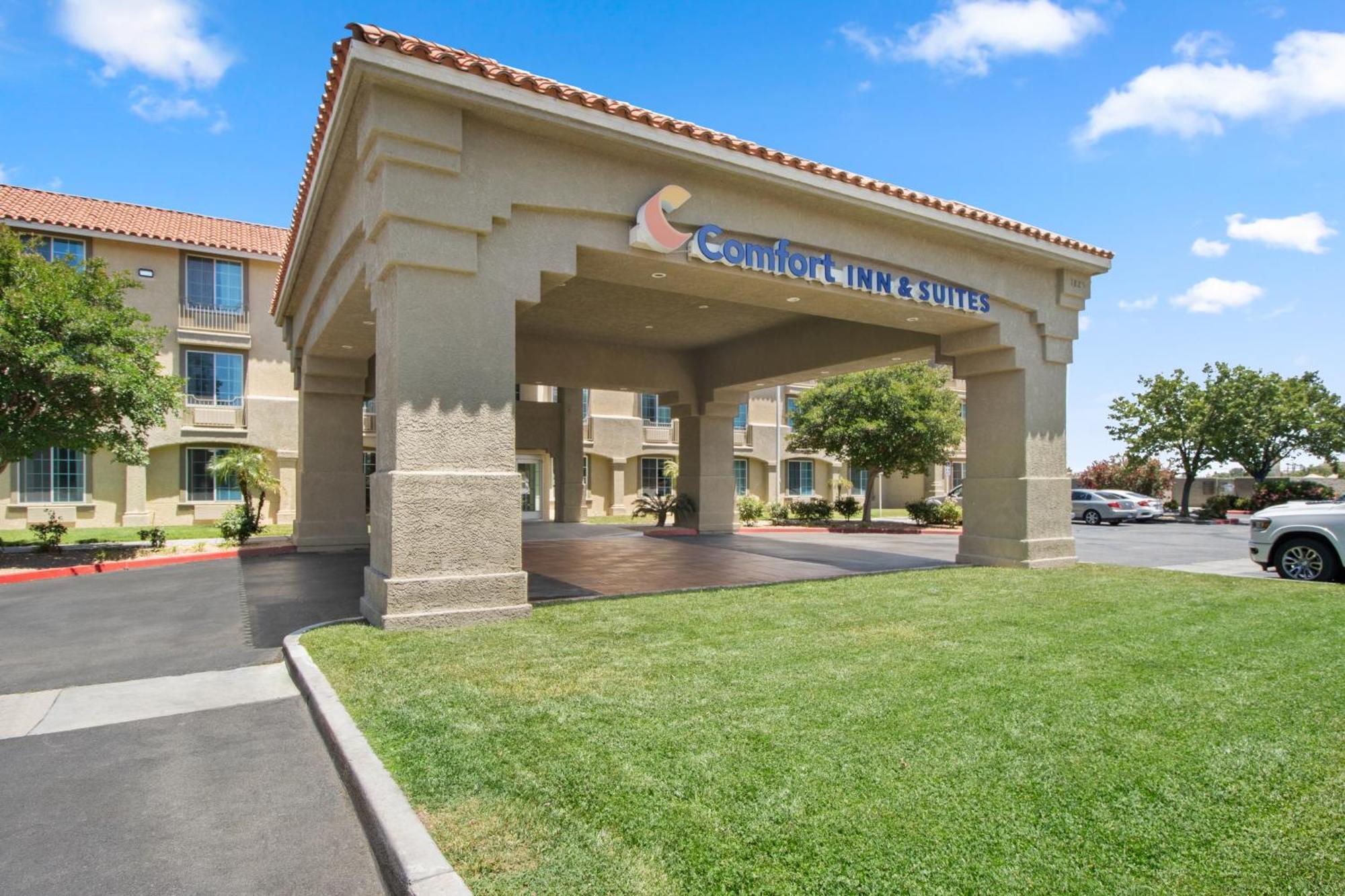
3. Comfort Inn & Suites Wildwood - The Villages
Show on map


 Check-infrom 15:00 until 23:59Check-outuntil 11:00
Rooms filling fast – secure the best rate!
fromUS$ 139
-
4. Comfort Suites Niceville Near Eglin Air Force Base
Show on map


 Check-infrom 16:00 until 23:59Check-outuntil 11:00
Hurry – almost gone at this price!
fromUS$ 129
-
5. Best Western Apalach Inn
Show on map


 Check-infrom 15:00 until 23:59Check-outuntil 11:00
Best price guarantee
fromUS$ 95
Best Premium Golf Hotel Stays
These properties add meaningful upgrades - on-site restaurants, full-service fitness centers, room service, and branded amenities - that elevate the experience for golfers willing to spend more per night for comfort between rounds.
-
6. Fairfield Inn And Suites Holiday Tarpon Springs
Show on map


 Check-infrom 15:00 until 23:59Check-outuntil 11:00
Just a few rooms left at the best rate!
fromUS$ 129
-
7. Hilton Garden Inn Tampa Suncoast Parkway
Show on map


 Check-infrom 15:00 until 23:59Check-outuntil 12:00
Hurry – almost gone at this price!
fromUS$ 146
-
8. Lovers Key Resort
Show on map


 Check-infrom 16:00 until 23:59Check-outfrom 05:00 until 11:00
Hurry – almost gone at this price!
fromUS$ 134
-
9. Tru By Hilton Tallahassee Central
Show on map


 Check-infrom 16:00 until 23:59Check-outuntil 11:00
Rooms filling fast – secure the best rate!
fromUS$ 147
Smart Travel & Timing Advice for Gulf Coast Golf Trips
January through March is peak season across the entire Florida Gulf Coast golf market - snowbirds from the Midwest and Northeast fill courses and hotels simultaneously, pushing greens fees and room rates to their annual highs. If your schedule allows, October and November offer nearly identical weather with around 40% less hotel demand, shorter waits for tee times, and more flexible cancellation terms from most properties. April brings spring breakers to the coastal towns, particularly Fort Myers Beach and the Destin area, so inland golf bases like Crestview, Niceville, and Lutz remain calmer and more affordable through that period.
For most golf itineraries, a minimum of 4 nights makes logistical sense - it allows 3 full playing days with a travel buffer on either end. Flying into Tampa International or Southwest Florida International gives the widest course access across the central and southern Gulf Coast zones, while VPS (Fort Walton Beach) is the most efficient entry point for Panhandle golf. Book tee times before booking hotels when targeting peak season - course availability dictates which zone makes sense as your base, and repositioning your hotel around confirmed tee times is far easier than the reverse.