Vermont's airport hotel scene is concentrated around two key transport hubs: Burlington International Airport in the northwest and the Interstate 89/91 interchange near White River Junction in the southeast. Whether you're flying in for a ski trip to Killington, a visit to Dartmouth College, or a nature escape through Quechee Gorge, choosing a well-positioned airport hotel in Vermont cuts transit time and keeps logistics simple from day one.
What It's Like Staying in Vermont
Vermont is a compact, rural state where distances between towns can feel deceptively short on a map but longer by road - especially in winter. Most travelers rent a car, as public transport between regions is minimal, making proximity to an airport or major highway interchange genuinely practical. Leaf peeping season in autumn draws the heaviest tourist volume, typically from mid-September through mid-October, while ski season runs December through March at resorts like Killington and Stowe.
Vermont rewards those who plan ahead: last-minute accommodation in popular areas can be scarce and significantly more expensive. Staying near transport arteries - like the I-89/I-91 junction - gives you access to both New Hampshire's Upper Valley and central Vermont without committing to one corridor.
Pros:
- Direct access to outdoor recreation - skiing, hiking, and foliage routes are within 30 minutes of most airport-adjacent hotels
- Quechee Gorge, Billings Farm, and the VINS Nature Center are all easily reachable from highway-linked properties
- Free parking is standard at almost all Vermont airport hotels, unlike urban counterparts
Cons:
- Rural positioning means you'll need a car for virtually every outing - no walkable dining districts near most airport hotels
- Peak foliage and ski weekends can fill properties around 8 weeks in advance
- Limited late-night dining options near highway corridors
Why Choose Airport Hotels in Vermont
Airport hotels in Vermont are not just transit stops - they function as practical base camps for multi-destination itineraries. Given that Vermont has no major metropolitan hub, staying near Burlington International Airport or the I-89/I-91 junction puts you within reach of multiple regions without long daily drives. Rates at Vermont airport hotels typically run lower than equivalent properties in ski villages like Stowe or Woodstock, sometimes by around 40%, especially outside peak ski and foliage windows.
Room sizes tend to be more generous than in-town inns, with suite options featuring microwaves and refrigerators - useful for families or longer stays. The trade-off is atmosphere: these properties prioritize function over charm, with standardized layouts and highway-facing settings rather than mountain views or village character.
Pros:
- Significantly lower nightly rates compared to boutique inns in resort towns
- Free parking and easy highway access reduce daily logistics costs and planning complexity
- Pet-friendly policies available at select properties - practical for road-tripping travelers
Cons:
- No walkable village atmosphere - these hotels are built for convenience, not immersion
- Settings along highways or near airport zones can be noisy during peak traffic hours
- Breakfast offerings are typically grab-and-go or continental rather than locally sourced Vermont fare
Practical Booking & Area Strategy
Vermont's airport hotel corridor splits into two logical zones. Burlington (Colchester area) anchors the northwest and gives you fast access to Lake Champlain, the University of Vermont, Church Street Marketplace, and the ferry to New York State - Burlington International Airport is under 7 km from Colchester-based hotels. The White River Junction zone, at the I-89/I-91 interchange, serves the southeast quadrant: Dartmouth College, Quechee Gorge, Woodstock village, and the road south toward Killington are all within 30 minutes by car.
Book at least 6 weeks ahead for any October weekend or major ski holiday period. White River Junction properties also benefit travelers connecting to Dartmouth-Hitchcock Medical Center - a consistent demand driver that keeps occupancy high year-round. For first-time Vermont visitors, White River Junction's interstate position makes it the more flexible base if your itinerary spans both central Vermont and the Upper Valley of New Hampshire.
Best Value Airport Hotels in Vermont
These properties deliver practical amenities, solid transport access, and competitive rates - well-suited for travelers prioritizing connectivity and cost efficiency over boutique character.
-
1. Align Inn Vermont
Show on map


Just a few rooms left at the best rate!
fromUS$ 168
-
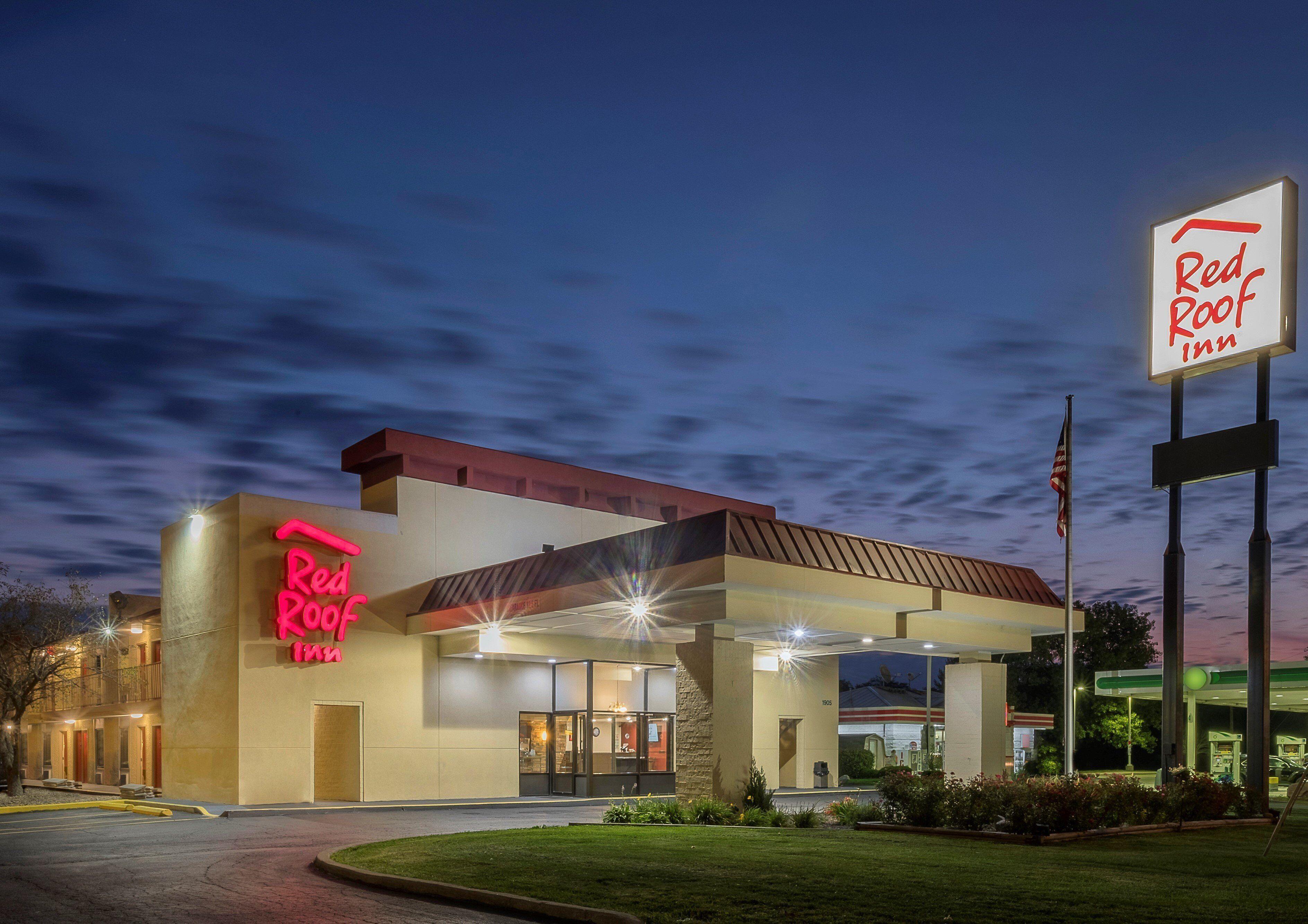
2. Comfort Inn White River Junction
Show on map


Just a few rooms left at the best rate!
fromUS$ 105
-
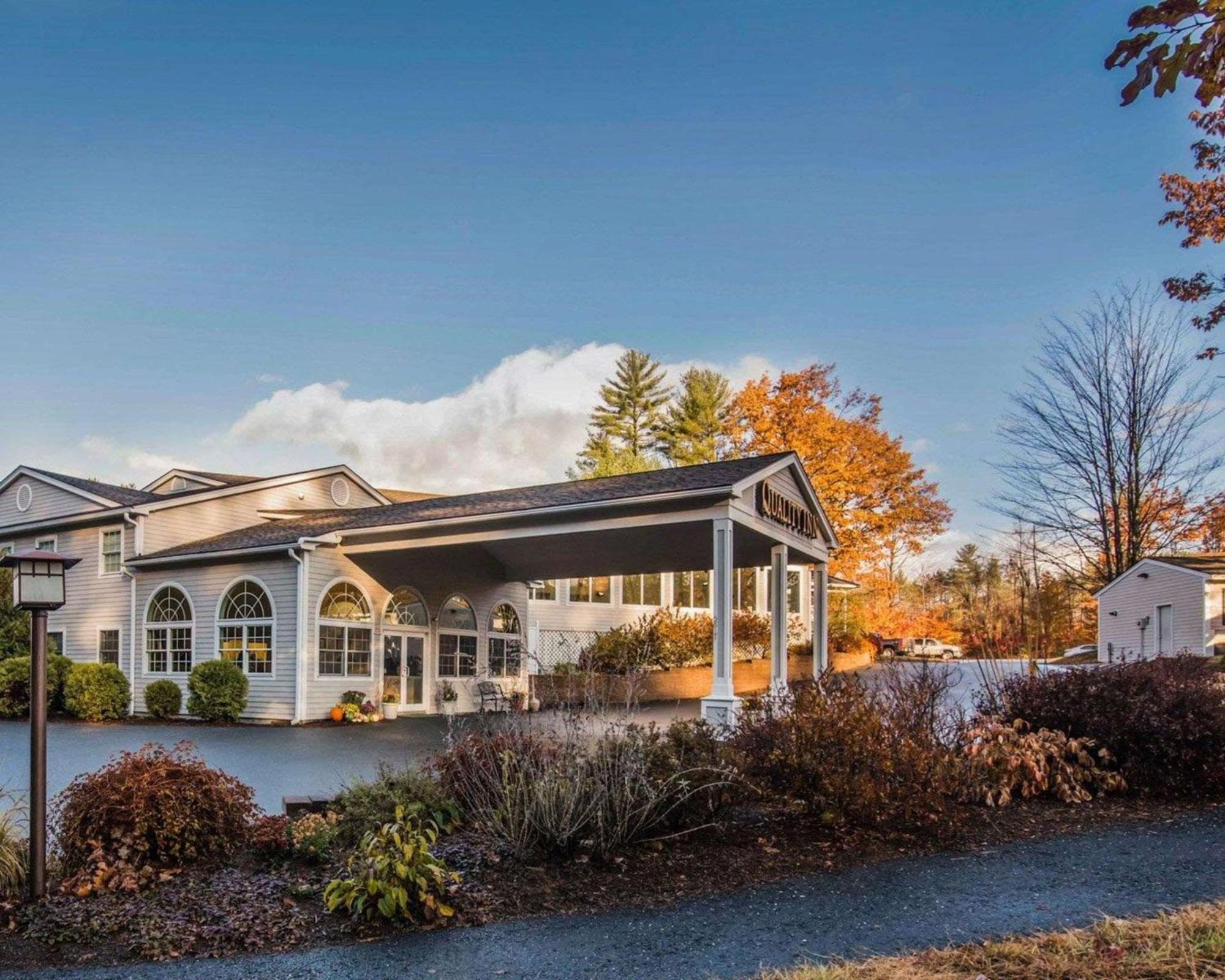
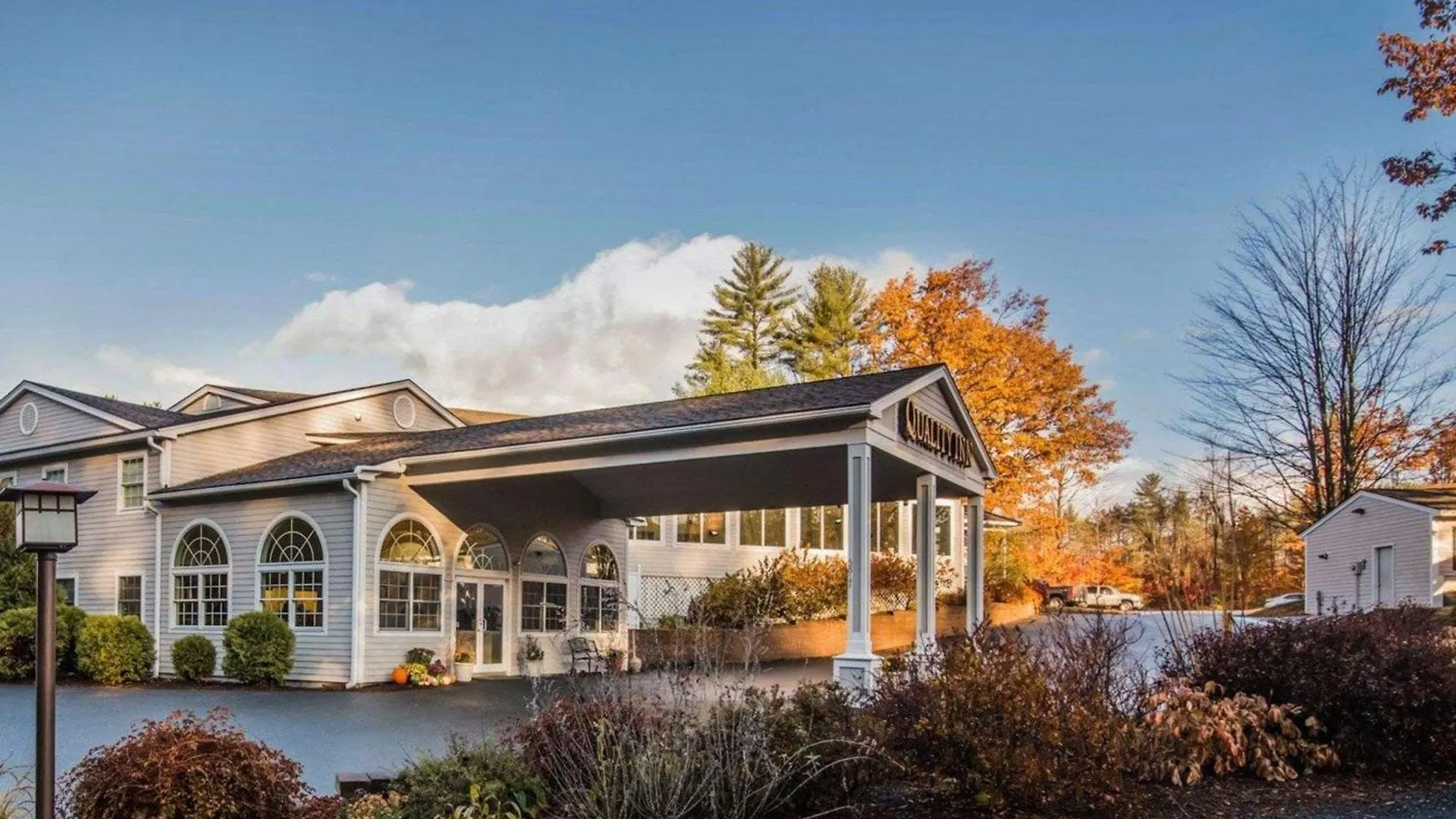
3. Quality Inn Colchester / Burlington
Show on map


Hurry – almost gone at this price!
fromUS$ 78
Best Premium Airport Hotel in Vermont
For travelers who want enhanced breakfast, non-smoking guestrooms, and disability-accessible facilities alongside strong highway connectivity, this White River Junction property stands above the standard interstate corridor offering.
-
4. Holiday Inn Express Hotel & Suites White River Junction By Ihg
Show on map


Rooms filling fast – secure the best rate!
fromUS$ 127
Smart Travel & Timing Advice for Vermont Airport Hotels
Vermont's foliage peak - typically the first two weeks of October - is the single most competitive booking window of the year. Airport hotels within driving range of popular routes like Route 4 (Quechee to Woodstock) and Route 100 (Stowe to Killington) can fill 8 weeks in advance during peak foliage weekends, with rates rising sharply. If your dates are flexible, mid-week stays in September offer good foliage color with significantly lower occupancy pressure.
Ski season brings a second pricing spike from late December through Presidents' Day weekend in February. White River Junction properties see demand from Killington and Okemo visitors seeking lower-cost alternatives to slope-side lodging. Spring (April-May) and early summer (June) offer the lowest rates and easiest availability across all four properties, with the tradeoff of mud season in April limiting some trail access. A two-night minimum stay is typically sufficient for a Quechee-Woodstock circuit; Burlington-based itineraries covering Lake Champlain and the Champlain Islands benefit from three nights. Last-minute bookings in winter can occasionally yield discounts on weekdays, but holiday weekends rarely see price drops regardless of booking timing.